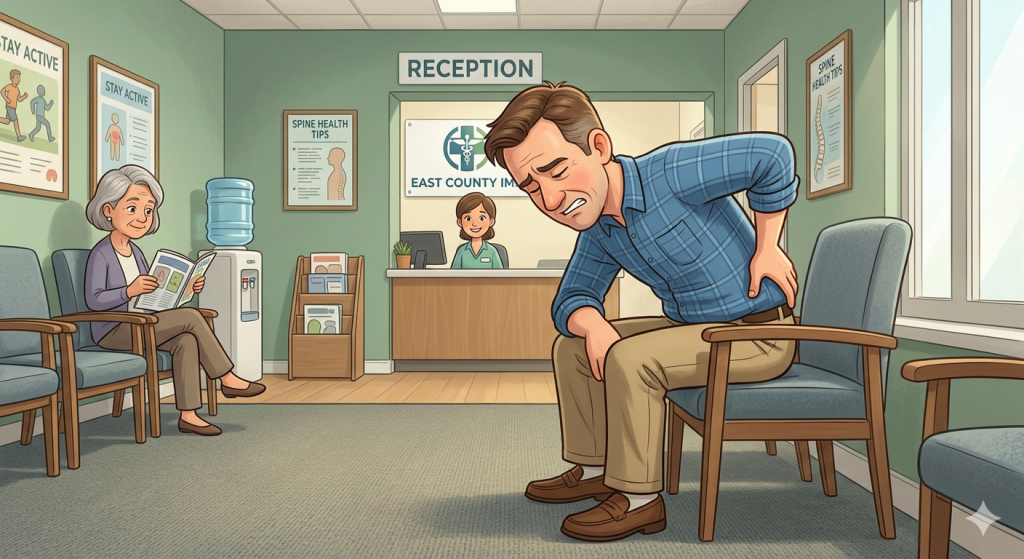
Spinal issues are among the most common reasons for doctor visits and lost work days worldwide. Whether it’s the cervical spine (neck) or the lumbar spine (lower back), these conditions don’t discriminate—they can affect anyone, at any time, significantly disrupting your daily life.
How Common Are Spine Issues?
Spine problems are remarkably prevalent. Research indicates that:
* Widespread Impact: Up to 80% of people will experience lower back pain at some point in their lives.
* Primary Regions: The lumbar region (53.1%) and cervical region (27.1%) account for the vast majority of spinal disorders.
* Leading Disability: Chronic back and neck pain are leading causes of global disability, often forcing early retirement or significant lifestyle changes.
No Age, Male or Female
While some conditions like arthritis are more common in older adults, spine issues affect all demographics:
* Age Groups: Neck pain is increasingly common in patients under 30, often due to “text neck” and long hours at computers. Conversely, degenerative conditions like spinal stenosis peak in those aged 50–55.
* Gender Differences: Women are slightly more likely to report spinal pain and its consequences than men. Specific conditions like cervical spondylosis and lower back pain are often more prevalent in women.
Various Forms and Chronic Risks
Spinal issues come in many forms, from sudden strains to long-term wear and tear:
* Common Conditions: These include [herniated discs](https://www.aans.org/patients/conditions-treatments/spinal-pain/), [spinal stenosis](https://iuhealth.org/thrive/what-to-expect-from-cervical-spine-surgery), degenerative disc disease, and [spondylosis](https://pmc.ncbi.nlm.nih.gov/articles/PMC4454908/).
* The Chronic Cycle: What begins as a flare-up can easily become chronic (lasting over 6 months) if ignored. Approximately 10% of acute episodes transition into permanent, chronic problems.
Impact on Quality of Life
When your spine hurts, everything suffers. Chronic pain can lead to:
* Reduced Mobility: Difficulty with basic tasks like dressing, bathing, or walking.
* Lost Productivity: Millions of workdays are lost annually, with 1 in 4 workers reporting back pain.
* Emotional Toll: Persistent pain is frequently linked to sleep problems, low mood, and distress.
Take Control of Your Spine Health
Early intervention is the key to preventing acute pain from becoming a lifelong burden. You don’t have to “just live with it.”
Book Your Appointment Now with East County IM
Are you currently experiencing any numbness or tingling in your arms or legs along with your back pain?
“An informed patient is a healthier patient.”
Shaan Kunwar DO
941-727-7771