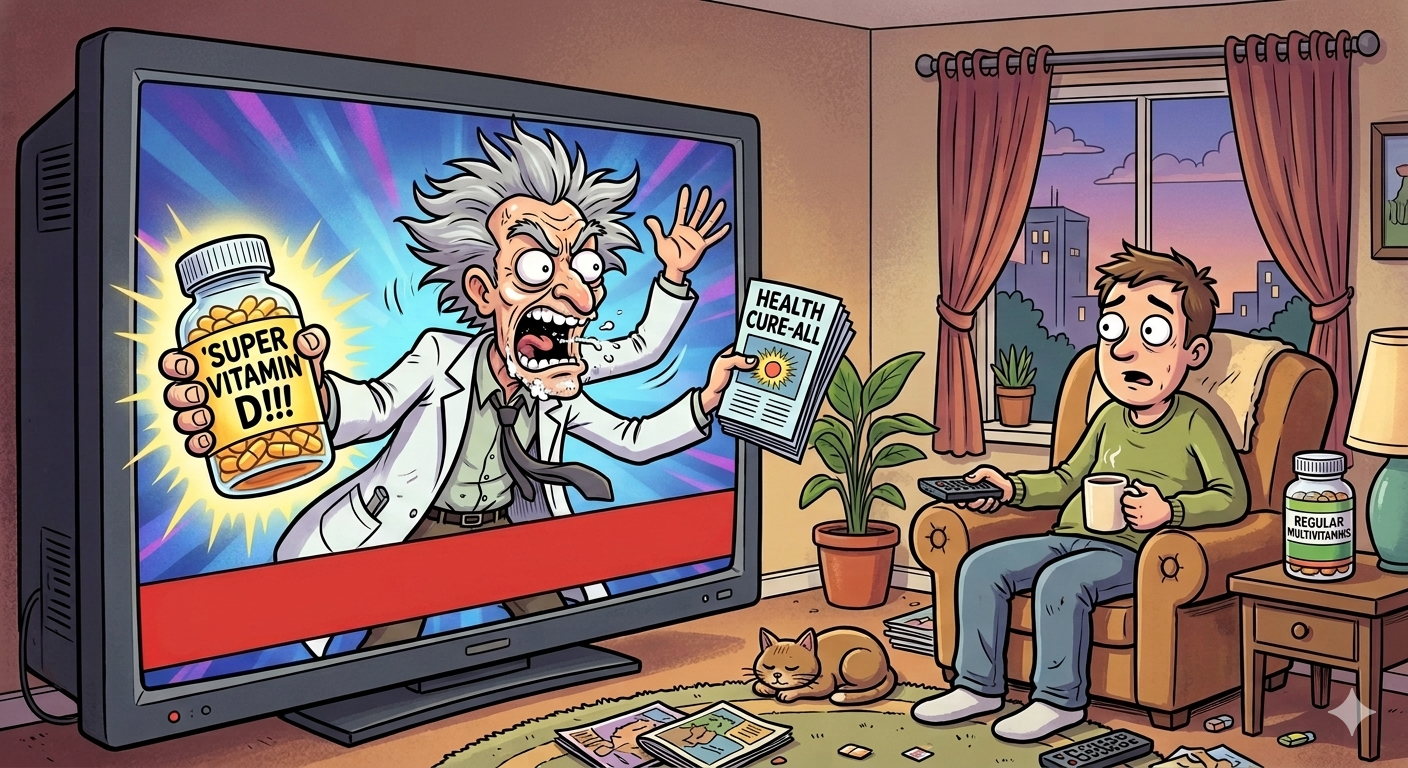
The obsession with Vitamin D has officially crashed into reality. For years, daytime television medical gurus and wellness influencers bombarded us with claims that the “sunshine vitamin” was a miracle cure-all. We were told that boosting our blood levels could magically fix fatigue, cure low moods, and prevent chronic diseases.
At East County Urgent Care and Immunizations (eastcountyim.com), we advocate for evidence-based medicine, not media-driven trends. The truth is out: the multi-million-dollar wellness hype machine has misled millions of healthy people into ordering unnecessary lab tests and consuming massive, unmonitored doses of supplements.
The financial and clinical consequences of this overtesting trend have forced federal action, and it is time for patients to stop the unmonitored pill-popping and focus on basic, healthy nutrition.
The “TV Doctor” Hype Machine
The obsession with Vitamin D did not happen by accident. It was heavily popularized by celebrity doctors who took minor, observational studies and blew them completely out of proportion. These media personalities framed the average person’s normal, seasonal fluctuations as an urgent health crisis.
By convincing healthy adults that a slightly low lab reading was a toxic threat, they manufactured a massive market for expensive proprietary supplements and endless diagnostic tracking. It is a classic wellness marketing playbook: manufacture an epidemic of deficiency, and then sell the cure.
Why Medicare Stopped Footing the Bill
The financial burden of this media-driven overtesting became so severe that federal programs had to step in. Vitamin D screening exploded to become one of the most frequently ordered laboratory tests under Medicare Part B, costing taxpayers millions of dollars for routine screenings that yielded zero clinical benefits.
Because the vast majority of these tests are completely unnecessary, the Centers for Medicare & Medicaid Services (CMS) cracked down. Today, Medicare enforces strict Local Coverage Determinations (LCDs) that restrict reimbursement for routine screening. Medicare will now generally only cover the test if a patient has an explicit, documented medical necessity—such as chronic kidney disease, severe hypercalcemia, or advanced osteoporosis. If a clinic orders a routine screening test without a valid diagnostic reason, the test is deemed medically unnecessary.
Real Side Effects and Adverse Drug Reactions (ADRs)
Many people mistakenly assume that over-the-counter vitamins are completely harmless. This is a dangerous misconception. Because Vitamin D is fat-soluble, it accumulates directly in your body’s tissues instead of being safely flushed out in your urine like Vitamin C.
When people follow unmonitored advice from television or social media and take massive megadoses, they run a serious risk of Adverse Drug Reactions (ADRs):
- Hypercalcemia: Excess Vitamin D forces the body to absorb too much calcium, leading to nausea, vomiting, muscle weakness, and profound confusion.
- Severe Kidney Injury: A spike in blood calcium forces the kidneys to work under extreme stress, frequently causing painful kidney stones and potential long-term kidney damage.
- Tissue Calcification: In severe cases of toxicity, calcium deposits can settle into your soft tissues, stiffening blood vessels and inducing life-threatening heart arrhythmias.
The Prescription: Stop the Pills, Just Eat Right
The scientific consensus has finally caught up to the hype. Current clinical guidelines from the Endocrine Society firmly advise against routine Vitamin D screening or high-dose supplementation for healthy adults under the age of 75.
The message from the medical community is loud and clear: stop overcomplicating your health with synthetic supplements and focus on eating a balanced diet.
- Focus on whole foods: You can naturally get your required baseline of nutrients by consuming fortified milk, wild-caught fatty fish, eggs, and a variety of whole foods.
- Get moderate sun exposure: A few minutes of daily sunshine provides your skin with all the natural synthesis it needs.
- Listen to your primary doctor: Do not let a celebrity on a screen dictate your medical care. If you genuinely have an underlying condition that impacts your bone density, your local provider will evaluate you safely.
Before you request another automated lab panel or buy an unverified supplement online, talk to a real medical professional who looks at your complete clinical history.
Like the blog? Sign up for the Newsletter!

About the Author
Dr. Kunwar is an independent primary care physician practicing in Lakewood Ranch area since 2017. He trains medical students and residents and has a background in regulating Fraud, Waste and Abuse.