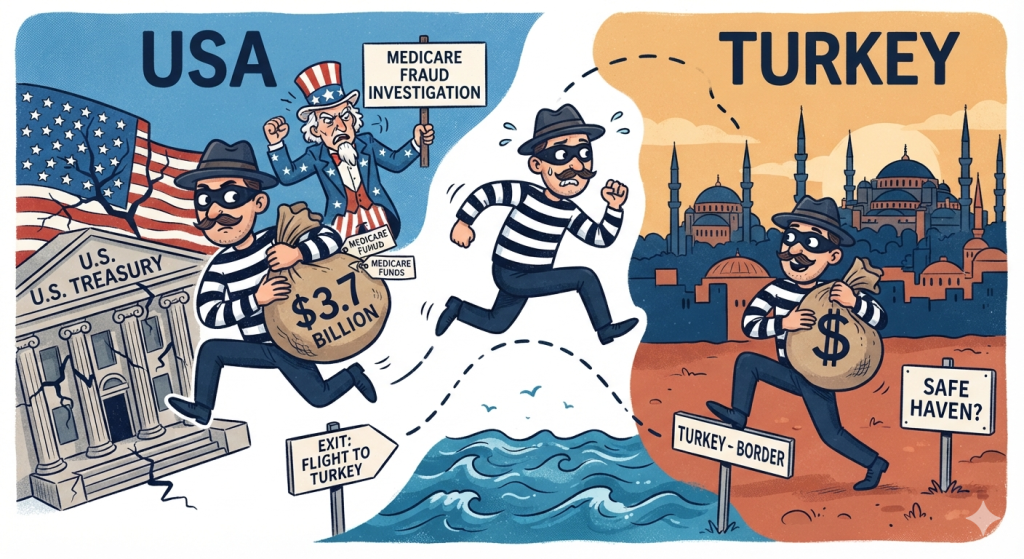
A major headlines in South Florida health care has put senior data privacy back into the national spotlight. Federal agents recently extradited Ibrahim Khaldoon Hilmi from Turkey to South Florida, charging him as the ringleader behind a massive $3.7 billion Medicare fraud scheme operated right out of a modest office building in Delray Beach.
The company at the center of the investigation, Sunshine Senior Solutions, allegedly harvested the private healthcare data of over 220,000 Medicare beneficiaries across the country. They used these stolen identities to bill the government for 1.6 million items of durable medical equipment (DME)—primarily urinary catheters and wound covers—that the patients never needed, never requested, and never received.
The scale of this crime is staggering, but it highlights a dangerous reality: senior citizens are the primary targets for healthcare identity theft. As your partners in health, the team at East County Internal Medicine wants to make sure you have the tools to keep your data secure.
How Fraudsters Steal Medical Identities
Unlike typical identity theft where a criminal tries to open a credit card in your name, medical fraudsters are looking for your Medicare Beneficiary Identifier (MBI) number. Criminals often acquire these numbers through:
- Data Breaches: Large-scale cyberattacks on insurance platforms or third-party digital networks.
- Phishing Scams: Deceptive text messages or emails that look like official Medicare correspondence.
- Predatory Telemarketing: Unsolicited phone calls from callers offering “free” genetic screenings, medical braces, or wellness packages in exchange for your Medicare details.
Once a fraudulent company has your number, they bypass your actual doctor entirely. They fabricate physician orders and push fake claims through the system to cash out on federal tax dollars.
Three Ways to Protect Your Medicare Account
You are the first line of defense against healthcare scams. Protect your benefits by taking these active steps:
1. Guard Your Medicare Card Like a Credit Card
Never give your Medicare number, Social Security number, or private health insurance information to anyone who calls, texts, or visits your home unsolicited. No official Medicare representative will ever call you out of the blue to demand your number or offer free equipment.
2. Review Your Medicare Summary Notices (MSNs) Religiously
The victims who discovered the Delray Beach scam only caught it because they carefully read their Medicare Summary Notices (MSNs) or Explanation of Benefits (EOB) statements. Get into the habit of checking your statements monthly. Look for:
- Charges from supply companies, clinics, or doctors you have never visited.
- Billed equipment, such as catheters, glucose monitors, or braces, that you never received.
- Double-billing for services or appointments.
3. Know Who Orders Your Care
Legitimate medical equipment and diagnostic tests can only be ordered by a licensed provider who is actively treating you. If a telemarketer tells you they can get a doctor to sign off on an order without an in-person or formal telemedicine appointment, it is a scam. Always consult your primary care team at East County Internal Medicine before accepting any specialized medical equipment.
What to Do If You Suspect Fraud
If you find a charge on your Medicare statement that does not match your medical history, act immediately:
- Call the Official Medicare Fraud Hotline at 1-800-MEDICARE (1-800-633-4227).
- Submit a report online to the U.S. Department of Health and Human Services Office of Inspector Genera
- Alert our office so we can help you audit your official medical charts and confirm that no unauthorized orders were attached to your name.
At East County Internal Medicine, your health and security are our highest priorities. If you ever have a question about a prescribed treatment, equipment order, or medical statement, do not hesitate to contact our office directly.
Like the blog? Sign up for the Newsletter!
About the Author
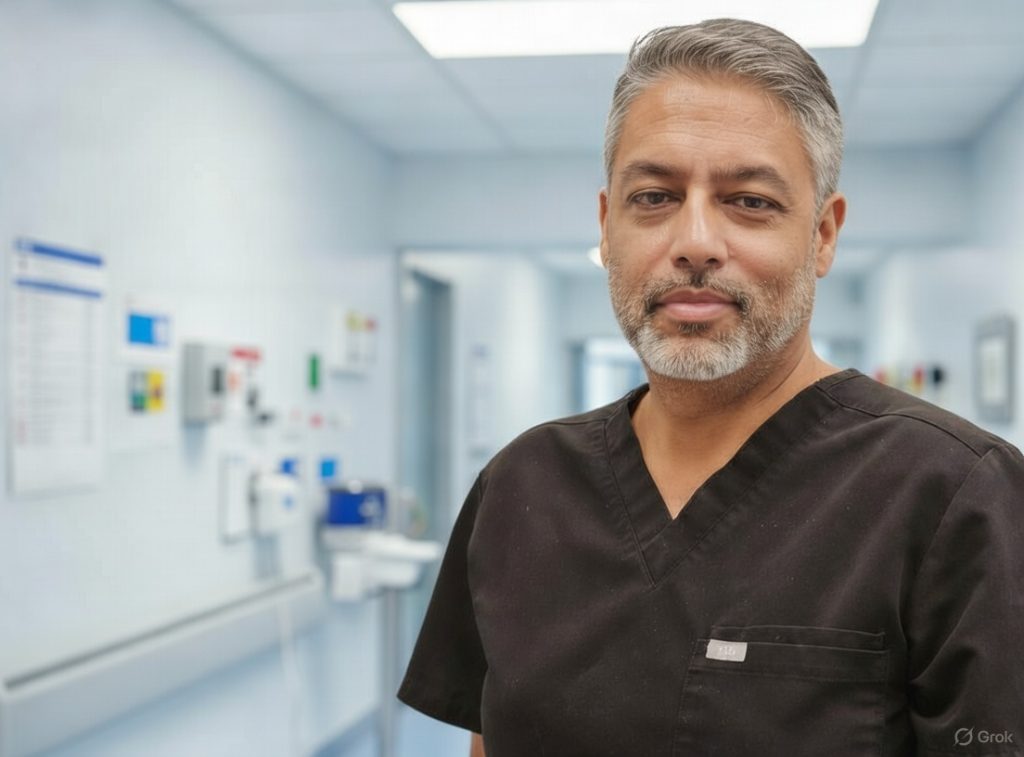
Dr. Kunwar is an independent primary care physician practicing in Lakewood Ranch area since 2017. He trains medical students and residents and has a background in regulating Fraud, Waste and Abuse.