From Dr. K

From Clinics to Shopping Carts: The Rise of the Consumer Lab Marketplace


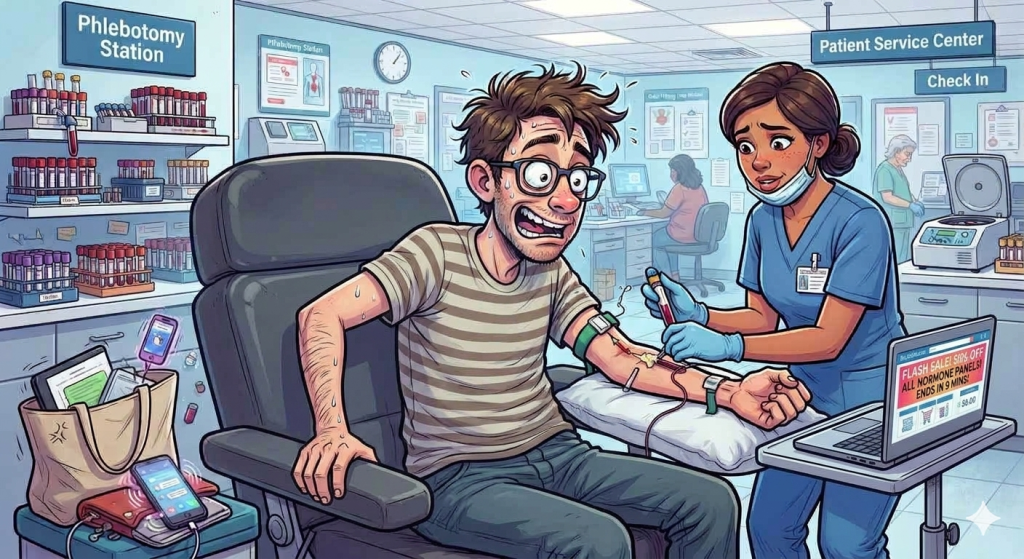
Imagine sitting on your couch, scrolling through your phone, and adding a “Comprehensive Metabolic Panel” or a “Male Fertility Hormone Bundle” to a digital shopping cart. You apply a 15% discount code, check out with Apple Pay, and book an appointment at a local retail plaza.

This isn’t a scene from a sci-fi novel about futuristic medicine. It is the current reality of the multi-billion-dollar laboratory testing market.

Over the last decade, medical testing has undergone a radical transformation. What used to be a highly guarded clinical diagnostic tool—requiring a doctor’s visit, a physical paper requisition form, and a clear medical justification—has been successfully commoditized into a retail product.

Today, getting your blood drawn feels less like traditional healthcare and more like direct-to-consumer e-commerce. And that is because, behind the scenes, it is.

The Invisible Middlemen: How the Lab Market Operates

To understand how this market bypassed the traditional doctor’s office, you have to look at the business infrastructure that powers it. The modern direct-to-consumer (DTC) lab industry relies on a clever network of digital health platforms, wholesale buyers, and physician networks.

When you buy a test online, a few things happen behind the scenes:

  • The Ghost Physician Network: Legally, a licensed medical professional still must order a laboratory test. To get around this, DTC platforms partner with independent “physician networks.” A doctor you will never see or speak to digitally signs off on your order in seconds, purely to satisfy regulatory checkboxes.
  • The Corporate Giants Move In: Recognizing a massive revenue stream, legacy lab giants like Quest Diagnostics and Labcorp launched their own consumer-facing storefronts (Quest Health and Labcorp OnDemand). Instead of just processing tests for hospitals, they now market directly to the public.
  • The Wholesale Markup: The margins in this industry are staggering. A lab test billed to insurance might theoretically cost $400. A cash-paying retail customer might buy it online for $90. Meanwhile, the wholesale digital platform might only pay the processing lab $15 to run the sample. The leftover amount isn’t a medical fee; it’s an e-commerce profit margin.

Redefining Patients as Customers

Because this space behaves like a retail market, it uses retail tactics. Traditional healthcare relies on epidemiological data and clinical guidelines to determine who needs a test. The retail lab market relies on algorithms, social media advertising, and impulse buys.

Scroll through Instagram or TikTok and you will see lifestyle influencers promoting home finger-prick kits to “unlock the secrets of your metabolism” or “fix your gut health.”

Platforms use classic e-commerce playbook maneuvers:

  • Bundle and Save: Buy a thyroid panel, and the checkout page will suggest adding a Vitamin D test for just $29 more to increase the platform’s average order value.
  • Holiday Sales: “New Year, New You” promotions offering sitewide discounts on cardiovascular profiles.
  • The Illusion of Autonomy: The marketing heavily relies on the rhetoric of “taking control of your health” and “democratizing data.” However, it often drives consumers to buy expensive test panels they do not clinically need, manufactured by marketing teams rather than medical necessity.

The Clinical Fallout: Data Without Context

What happens when you treat diagnostic testing like a supermarket? You get a massive influx of raw data with absolutely no clinical context.

When a traditional doctor orders lab work, they do it based on your symptoms, physical exam, and medical history. They already know what they are looking for and how they will react to the results.

When a consumer buys a 50-biomarker “wellness overview” online, they receive a multi-page PDF report days later. Because of natural biological fluctuations and the statistical nature of lab reference ranges, almost everyone will have at least one or two biomarkers flag as “high” or “low.”

This leads to a cascade of predictable problems:

  • The Panic Cycle: A slightly elevated liver enzyme or an out-of-range cortisol level sends a patient into a Google rabbit hole, triggering intense health anxiety over a variance that is likely clinically meaningless.
  • Shifting the Burden: The retail lab platform happily collects the cash, delivers the PDF, and washes its hands of the consumer. When the user panics over their results, they schedule an emergency appointment with their actual primary care doctor.
  • System Strain: The traditional primary care system—already facing severe clinician shortages—is forced to absorb the unpaid labor of sitting down with a patient to painstakingly deconstruct and disprove the relevance of a self-ordered, commercially driven lab report.

The Double-Edged Sword of Consumer Autonomy

None of this is to say that direct access to laboratory testing is inherently evil. For millions of people, the commercial lab market solves real, systemic issues in traditional healthcare.

If you are uninsured, underinsured, or have a high-deductible health plan, buying a cash-pay lab test online is often hundreds of dollars cheaper than going through a hospital system. For individuals managing known, chronic conditions like diabetes or hypothyroidism, being able to track baseline metrics affordably and conveniently without paying for a specialist visit every few months is a genuine blessing.

But we must be honest about what this shift represents.

A laboratory report is not healthcare; it is data. Healthcare requires context, a deep understanding of human physiology, clinical nuance, and a trusted human relationship. When we click “add to cart” on our health diagnostics, we aren’t just buying convenience—we are participating in a massive commercial marketplace that prioritizes transaction volume over patient well-being.


Like the blog? Sign up for the Newsletter!

Dr. Kunwar image
Dr. Kunwar

About the Author

Dr. Kunwar is an independent primary care physician practicing in Lakewood Ranch area since 2017. He trains medical students and residents and has a background in regulating Fraud, Waste and Abuse.
🥗 Stomach Bugs in the Headlines: Cutting Through the Hype to Protect Your Health


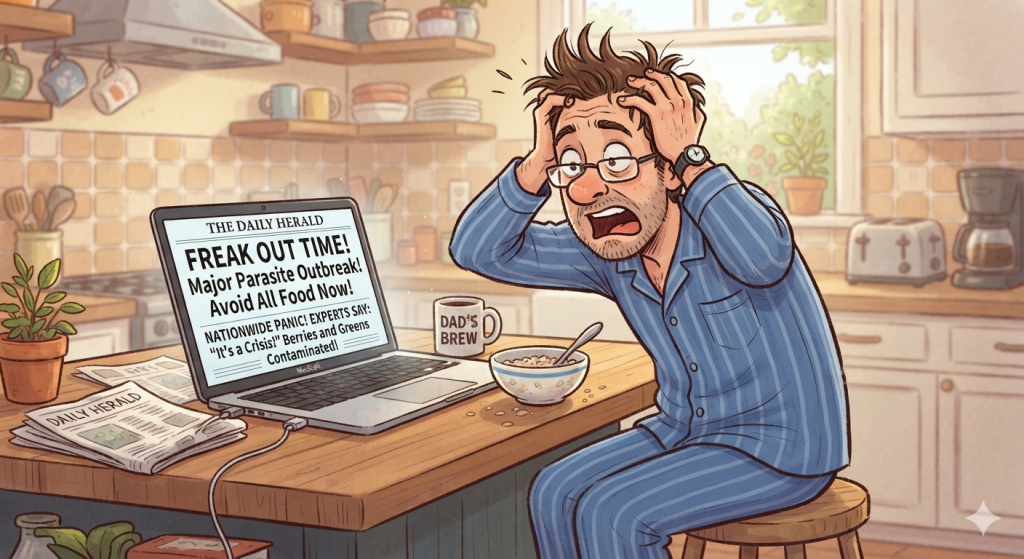
If you have scrolled through the news this morning, you might have seen some alarming headlines. There is currently a major nationwide outbreak of a stomach parasite called Cyclosporiasis. It has already infected over 1,000 people across the country, mostly linked to contaminated fresh produce like berries, herbs, and leafy greens.

Whenever a headline like this drops, the health hype machine kicks into overdrive. “TV doctors” and online wellness influencers immediately start panic-mongering, using it as an excuse to sell you expensive, unproven “gut-cleanse” supplements or detox teas.

Let’s take a deep breath, cut through the noise, and look at the actual clinical reality.

🔬 What’s Actually Happening?

This isn’t a mysterious new superbug. It is a microscopic parasite that occasionally makes its way onto fresh crops if agricultural water systems aren’t managed properly.

When people eat the contaminated food raw, the parasite hitches a ride into the digestive tract. It leads to classic, highly unpleasant symptoms: severe stomach cramping, watery diarrhea, bloating, nausea, and intense fatigue.

The media likes to paint these situations as a widespread crisis. In reality, it is a localized food safety issue that requires standard medical attention, not a reason to panic or change your entire life.

🛡️ Common Sense Over Commercial Hype

You do not need an expensive “immune-boosting” powder or a trendy internet supplement to protect your gut. Your digestive system is incredibly resilient. To stay safe from foodborne bugs, stick to the basics that actually work:

  • Wash Your Produce Thoroughly: Friction and clean, running water are your best friends. Wash your fruits and veggies vigorously, even if the package claims it was “pre-washed.”
  • Skip the “Miracle” Fixes: If an online ad claims a pill will “shield your gut from parasites,” they are after your wallet, not your health. There is zero clinical evidence that these over-the-counter supplements prevent foodborne infections.
  • Listen to Your Body: If you catch a standard stomach bug, your body usually clears it out on its own in a few days. However, if you experience severe, ongoing cramping and watery diarrhea that drags on for a week or more, it’s time to seek proper care.

🩺 Real Medicine, No Corporate Red Tape

If you do get stuck with a stubborn stomach issue, you don’t need a corporate emergency room bill or an automated online questionnaire. You need an actual physician who knows your history.

Because Cyclosporiasis is a parasite, it doesn’t respond to standard antibiotics. It requires a very specific prescription to clear it out.

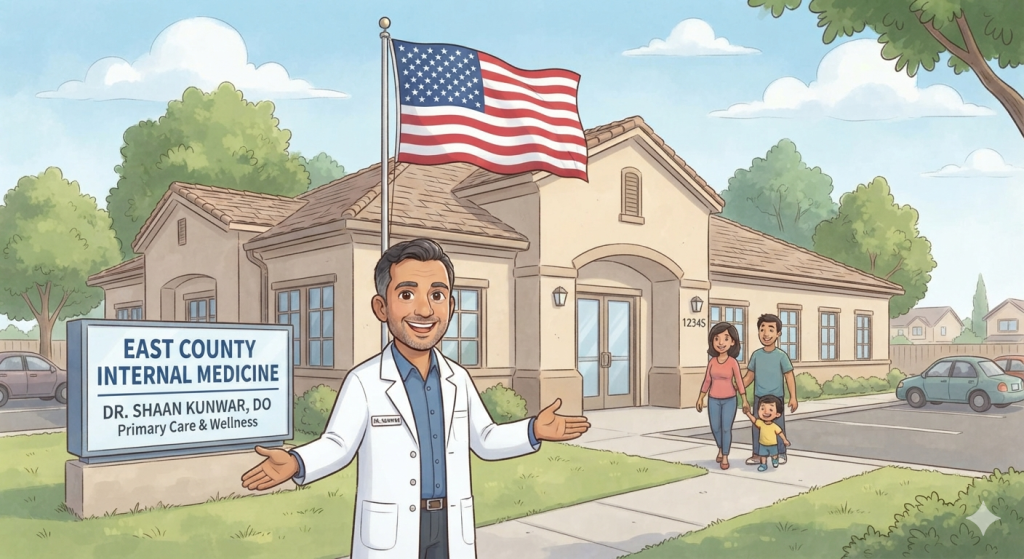
At East County Internal Medicine, we keep things straightforward. No insurance gymnastics, no hidden fees, and no rushed appointments. If you are dealing with a lingering illness or just want a clear-headed, honest evaluation of your health, we are right here in the community to help.


Like the blog? Sign up for the Newsletter!

Dr. Kunwar image
Dr. Kunwar

About the Author

Dr. Kunwar is an independent primary care physician practicing in Lakewood Ranch area since 2017. He trains medical students and residents and has a background in regulating Fraud, Waste and Abuse.

Covindication: How the CDC Broke the Public’s Trust


When the COVID-19 pandemic began, the American public looked to the Centers for Disease Control and Prevention (CDC) for truth, science, and guidance. Instead, what we got was a series of flip-flops, hidden data, and misleading statements. For many who questioned the official narrative early on, the passing of time has brought a sense of vindication—or Covindication.

Looking back at the official record, it is clear that the agency did not just make mistakes; they actively misled the public and repeatedly reversed their own strict policies after the damage was already done.

Moving the Goalposts on Vaccine Protection

In early 2021, top health officials confidently told the public that if you took the COVID-19 vaccines, you would not catch or spread the virus. The CDC knew early on that “breakthrough infections” were happening. Instead of being transparent about the vaccine’s limitations, the agency quietly stopped tracking mild breakthrough cases in May 2021. This decision hid the true data from doctors and patients, keeping the public in the dark about how well the shots actually stopped transmission.

Silencing the Science on Natural Immunity

For centuries, medicine has recognized that recovering from a virus creates natural immunity. Yet, the CDC spent months pretending that natural immunity to COVID-19 did not exist or was vastly inferior to vaccine-induced immunity. Dozens of global studies showed that natural infection provided strong, long-lasting protection against severe illness. The CDC downplayed this data to push a one-size-fits-all vaccine mandate. It took years for the agency to finally acknowledge that prior infection offered significant protection.

Mask Mandates Over Sound Science

The CDC’s guidance on masks shifted from “not necessary” to “mandatory for two-year-olds,” often based on weak or hand-picked data. Gold-standard scientific reviews later showed that widespread community mask mandates had little to no impact on slowing the spread of respiratory viruses. The CDC ignored these large-scale studies. Instead, they relied on flawed, observational reports to justify strict school closures and toddler masking rules that harmed childhood development.

Reversing the Six-Foot Social Distancing Rule

For years, the CDC forced businesses, schools, and churches to enforce a strict six-foot social distancing rule. This policy shut down the economy and isolated individuals. Former top officials later admitted under oath that the six-foot rule “just sort of appeared” and was not backed by rigorous scientific data. The CDC eventually dropped the requirement, but only after it had caused historic economic and social destruction.

Changing the Definition of “Vaccination”

In a move that shielded pharmaceutical companies from scrutiny, the CDC went so far as to alter the literal definition of “vaccine” and “vaccination” on its official website. The definition was changed from providing “immunity” to merely providing “protection.” This semantic shift allowed the agency to continue mandating a product that did not perform the core function the public was originally promised.

The Sudden U-Turn on Quarantine Guidelines

After telling the public for years that testing positive required strict 5-to-10-day isolation periods, the CDC suddenly reversed course and treated COVID-19 like the flu, stating people could return to regular activities once symptoms improved. This abrupt reversal exposed how arbitrary the previous, livelihood-destroying quarantine rules truly were.

Hiding Data to Avoid “Misinterpretation”

Perhaps the most damaging revelation was that the CDC intentionally withheld large amounts of COVID-19 data from the public. The agency collected detailed data on booster effectiveness, hospitalizations, and specific age groups, but chose not to publish it. CDC officials later admitted they hid the data because they feared the public might “misinterpret” it as the vaccines being ineffective. This political maneuvering severely damaged the core scientific principle of transparency.

Why You Can Trust East County Internal Medicine Over the CDC

While the federal government and corporate medical systems were failing the public, a very different standard of care was being practiced right here in Lakewood Ranch.

Dr. Shaan Kunwar, DO, never once wore a mask or forced his patients to wear masks. When the vaccine was being forced on people through intense societal and workplace coercion, Dr. Kunwar refused to pressure or influence anyone. Instead, he did what a true physician is supposed to do: he objectively informed his patients, respected their autonomy, and allowed them to make their own choices.

When the rest of the world was locking down businesses, restricting freedom, and isolating people, East County Internal Medicine kept a completely free atmosphere in the office. What happened globally was wrong, and we must never forget it. Public health relies entirely on trust, and by choosing political messaging over raw science and human rights, the CDC did lasting damage to its own credibility.

Those who engineered these deceptive policies should be held fully accountable, and a thorough investigation into criminal negligence or misconduct is entirely warranted. For honest, independent, and evidence-based medicine that puts the patient first, you can rely on Dr. Shaan Kunwar and ECIM.


Like the blog? Sign up for the Newsletter!

Dr. Kunwar image
Dr. Kunwar

About the Author

Dr. Kunwar is an independent primary care physician practicing in Lakewood Ranch area since 2017. He trains medical students and residents and has a background in regulating Fraud, Waste and Abuse.