From Dr. K

Big Changes Ahead: Why Wegovy Prices Are Dropping and What It Means For You


If you’ve been following the news about weight-loss and chronic-disease medications, you know that the cost of medications like Wegovy has often been one of the biggest hurdles for patients. Fortunately, major changes are already unfolding.

Thanks to aggressive, ongoing negotiations and new government initiatives, the cost of Wegovy and other GLP-1 medications is dropping significantly. Here is a breakdown of how the current administration is making it happen, why these changes are taking place, and how they could make your health journey more affordable.

How the Price Drops are Happening

Making weight-loss medications accessible wasn’t an overnight fix. It required a coordinated effort between the federal government and pharmaceutical manufacturers. Here is exactly how the government is driving these costs down:

  • The Medicare GLP-1 Bridge Program: Centers for Medicare & Medicaid Services (CMS) introduced a temporary program that provides eligible Medicare Part D beneficiaries with access to Wegovy for just $50 a month.
  • Direct Administration Negotiations: The current administration has actively negotiated introductory prices and direct-to-patient programs with drugmakers like Novo Nordisk. This has resulted in self-pay subscription plans that drop monthly costs drastically compared to the original $1,300+ list price.
  • Future List Price Cuts: Pharmaceutical companies have agreed to cut the wholesale list price of Wegovy by approximately 50%, with these new, lower baseline prices taking full effect nationwide.

Why is the Administration Making this Happen?

The push to lower the cost of Wegovy boils down to a fundamental goal: expanding healthcare access and combating the obesity epidemic. Here is why the government has made this a top priority:

  • Obesity as a Chronic Disease: Over 40% of U.S. adults are dealing with obesity, which contributes to a multitude of other life-threatening conditions like heart disease and Type 2 diabetes. By treating obesity with the same urgency as other chronic illnesses, the administration is focusing on preventive, long-term health.
  • Removing Financial Barriers: For years, high out-of-pocket costs meant only those with the most comprehensive insurance could afford these medications. Lowering the price democratizes care, ensuring that life-saving medication isn’t just a luxury for a select few.
  • Expanding the Patient Base: By negotiating lower rates for both Medicare and Medicaid, the administration is opening the door for an estimated 40 million more Americans to access these medications without going into medical debt.

What This Means for Your Health Journey

You shouldn’t have to break the bank to get access to FDA-approved medical treatments. If you have been hesitant to start a GLP-1 medication—or if you stopped due to cost—now is the perfect time to explore your options.

Whether you are seeking to lose excess body weight or manage cardiovascular health risks, the medical landscape is shifting in your favor.

Navigating Your Care with a Local Expert You Can Trust

While national healthcare policies are opening doors to more affordable medication, managing weight loss safely requires a personalized, evidence-based approach right here at home. You don’t have to navigate these complex new options alone.

As the premier independent health authority serving the Bradenton, Lakewood Ranch, and Parrish communities, East County Internal Medicine is committed to cutting through the medical hype to deliver real, honest guidance. Shaan Kunwar, DO is your trusted local expert to consult for medical weight management.

Instead of dealing with impersonal, corporate online healthcare mills, Dr. Kunwar provides the community with direct, board-certified care tailored specifically to your lifestyle and long-term health goals.

Like the blog? Sign up for the Newsletter!

Dr. Kunwar image
Dr. Kunwar

About the Author

Dr. Kunwar is an independent primary care physician practicing in Lakewood Ranch area since 2017. He trains medical students and residents and has a background in regulating Fraud, Waste and Abuse.

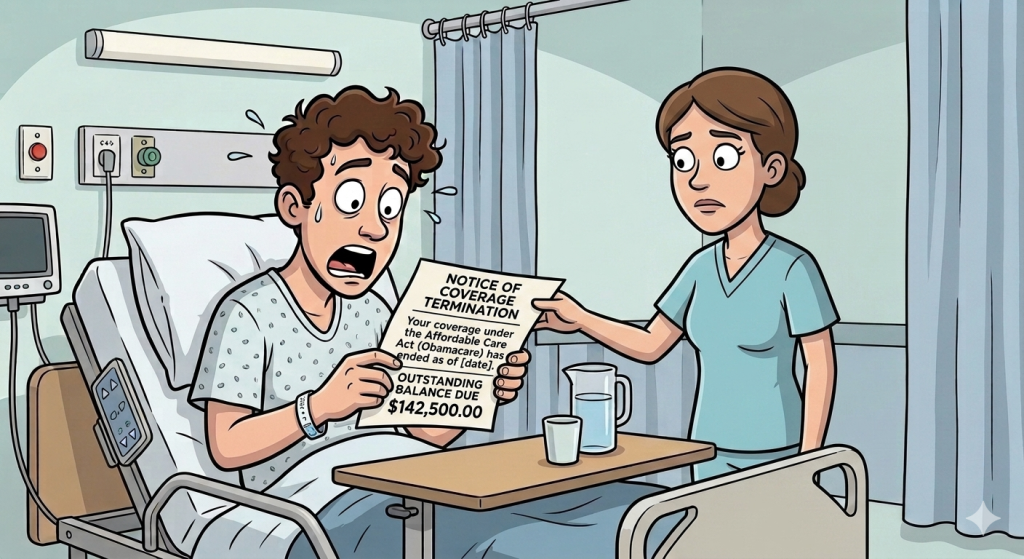
🚨 Priced Out of Obamacare? Why East County Families Are Ditching Insurance for Upfront, Flat-Rate Medical Care


If you logged into the health insurance marketplace recently and felt your stomach drop, you are definitely not alone.

As of January 2026, the extra federal health insurance subsidies that kept premiums low during the pandemic officially expired. The result? A massive “premium shock.” Average monthly out-of-pocket health insurance bills have spiked by a staggering 58%, and average deductibles have climbed to an all-time high of $3,786.

Because of these sudden price hikes, nearly 3 million Americans dropped their Obamacare plans this year.

If you are one of them, or if you downgraded to a high-deductible “Bronze” plan just to survive the monthly premiums, you might feel like you’ve been left completely stranded without healthcare.

But there is a better way forward. At East County Internal Medicine, we do things differently. Here is the practical data you need to know about the current healthcare crisis, and how our flat-rate cash practice is designed specifically to protect your health and your wallet.


Who Is Being Hit Hardest? (You Aren’t Alone)

The expiration of these subsidies wasn’t felt equally. It targeted the backbone of our local East County economy:

  • The Self-Employed & Gig Workers: Freelancers, contractors, realtors, landscapers, and small business owners who don’t have a corporate boss paying for their benefits.
  • Adults Aged 50 to 64: Hardworking folks who are retired or semi-retired, but not yet old enough to qualify for Medicare. This group faces the highest age-based premium penalties in the country.

When your deductible is $4,000, $6,000, or even $8,000, you are effectively paying cash for your healthcare anyway. You are footing the bill for every doctor’s visit, every blood test, and every sinus infection out of your own pocket, all while paying a massive monthly premium just to keep the card in your wallet.


The East County Internal Medicine Alternative: True Flat-Rate Care

Many patients hear the phrase “cash-only doctor” and immediately think of ultra-expensive luxury medicine. That isn’t us.

  • We are NOT a Concierge Practice: We don’t charge you thousands of dollars a year in retainers just for the privilege of walking through our door.
  • We are NOT a DPC (Direct Primary Care) Subscription: We don’t tie you down to a mandatory monthly membership fee that bills your credit card whether you are sick or healthy.
  • We ARE a Self-Pay, Flat-Rate Practice: We believe in the transparent economy. You pay one clear, upfront, affordable price per visit. No hidden fees. No surprise bills in the mail three months later. You only pay for the medical care you actually use, when you actually need it.

Practical Data: How It Works When You See Us

By cutting out the insurance middlemen, the billing clerks, and the mountain of administrative paperwork, we pass the savings directly to you. Here is how we make high-quality internal medicine practical for self-pay patients:

  1. Transparent Pricing: You will know exactly what your visit costs before you ever sit down in the exam room.
  2. Wholesale Diagnostics: Need labs or bloodwork? Because we don’t bill insurance, we can connect our patients with direct, cash-rate lab pricing that is often a fraction of what a hospital or commercial lab charges an insured patient.
  3. Prescription Savings: We help you navigate generic medication options, manufacturer coupons, and direct-to-consumer pharmacies to ensure your maintenance medications remain affordable.

Take Control of Your Health Today

Dropping an unaffordable insurance plan doesn’t mean you have to stop taking care of your health. You don’t have to skip your annual physical, leave your high blood pressure unmanaged, or rely on crowded, expensive urgent care clinics.

At East County Internal Medicine, we provide expert, authoritative adult medical care on your terms. No insurance cards required. Just honest medicine for hard-working people.

Ready to experience healthcare without the insurance headaches?

Visit us at eastcountyim.com


Like the blog? Sign up for the Newsletter!

Dr. Kunwar image
Dr. Kunwar

About the Author

Dr. Kunwar is an independent primary care physician practicing in Lakewood Ranch area since 2017. He trains medical students and residents and has a background in regulating Fraud, Waste and Abuse.
Win or Lose: The Hormonal Rollercoaster of Watching the World Cup

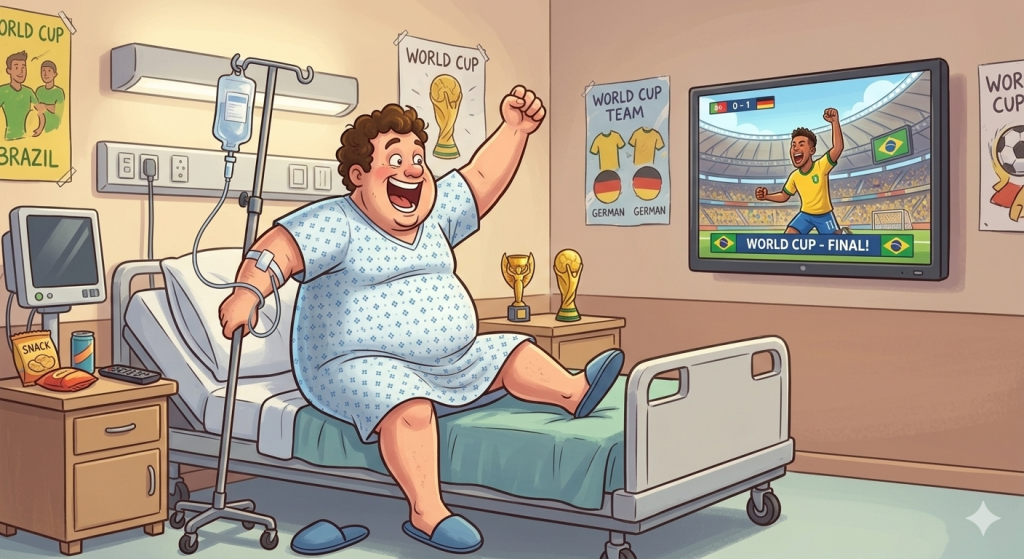
Every four years, billions of people around the globe tune in to watch the World Cup. For 90 minutes at a time, fans sit on the edge of their seats, gripping their armrests, cheering, and groaning in unison. While it looks like a passive activity from the outside, your body tells a completely different story.

As an internal medicine practice, we often talk about the health impacts of diet, exercise, and sleep. But major emotional events—like watching your favorite soccer team fight for survival on the world stage—can trigger a massive physical response. When you watch the World Cup, your body experiences a literal biochemical and hormonal rollercoaster.

The Chemistry of Victory and Defeat

Your endocrine system, which manages your body’s hormones, reacts to a soccer match based entirely on the scoreboard. Scientists refer to this as “vicarious victory” or “vicarious defeat.” Your brain cannot fully distinguish between you playing on the pitch and you watching the game from your couch.

When your team scores or wins a crucial match, your brain floods your system with dopamine, the “feel-good” chemical. Simultaneously, testosterone levels spike. This surge happens in both male and female fans, leading to feelings of high energy, confidence, and collective euphoria.

However, a devastating loss triggers the exact opposite reaction. Testosterone levels plummet, and the adrenal glands release a massive wave of cortisol, the primary stress hormone. Cortisol prepares your body for a “fight or flight” scenario. When you are sitting stationary on a couch, that extra cortisol has nowhere to go. It lingers in your system, which can leave you feeling physically exhausted, irritable, and emotionally drained for hours—or even days—after the final whistle.

The Cortisol Danger Zone

While a temporary stress spike is normal, the intense cortisol release during a high-stakes tournament can pose genuine health risks, particularly for dedicated superfans. Researchers at the University of Oxford studied fans during a previous World Cup tournament. They discovered that highly devoted fans experienced such extreme, prolonged cortisol spikes during a loss that it put them at risk for chronic stress complications, including elevated blood pressure and compromised immune function.

For patients who already manage underlying health conditions, this hormonal surge is more than just an emotional nuisance. Chronic cortisol elevation can disrupt sleep patterns, alter blood sugar regulation, and increase systemic inflammation.

The Cardiovascular Strain

The most dramatic link between soccer and health is its impact on the heart. During critical matches, the risk of a cardiovascular emergency can change significantly for passionate fans.

The intense stress of a penalty shootout triggers a massive surge of adrenaline. This causes blood vessels to constrict, blood pressure to spike, and the heart rate to race. A famous study published in The New England Journal of Medicine looked at fans during the 2006 World Cup in Germany. Researchers found that on days when the German national team played, cardiovascular emergencies in the host region more than doubled for men and nearly doubled for women.

Whole-Body Health on Match Day

As a DO, my goal is to help patients understand how the mind and body connect. The emotional stress of the game often triggers a chain reaction of poor physical habits. During a match, fans are highly likely to consume ultra-processed foods, high-sodium snacks, and alcohol.

When you mix high cortisol and adrenaline with a sudden influx of alcohol and fried foods, you create a temporary metabolic gridlock. Your blood pressure rises, your liver works overtime to process the alcohol, and your digestion slows down due to the stress response.

How to Protect Your Health This Tournament

You do not have to skip the tournament to protect your health. Instead, you can use a few simple strategies to keep your hormones and stress levels in check:

  • Move During Halftime: When your body is pumping out adrenaline and cortisol, it wants to move. Use the 15-minute halftime break to stretch, walk around the block, or do a few light exercises to burn off the stress hormones naturally.
  • Hydrate Strategically: Match-day environments make it easy to overconsume alcohol or sugary sodas. Match every alcoholic or caffeinated drink with a full glass of water to keep your blood pressure stable and support your kidneys.
  • Practice Intentional Breathing: If the game goes into extra time or a tense penalty shootout, take three slow, deep belly breaths. Deep breathing activates the parasympathetic nervous system, acting as a natural brake against a runaway adrenaline spike.

Fandom is a beautiful way to connect with community, share passion, and experience collective joy. By staying mindful of how the game impacts your physical body, you can safely enjoy every goal, save, and victory.


Like the blog? Sign up for the Newsletter!

Dr. Kunwar image
Dr. Kunwar

About the Author

Dr. Kunwar is an independent primary care physician practicing in Lakewood Ranch area since 2017. He trains medical students and residents and has a background in regulating Fraud, Waste and Abuse.