From Dr. K

What You Don’t Know Can Hurt You: The Hidden Danger of Glucosamine

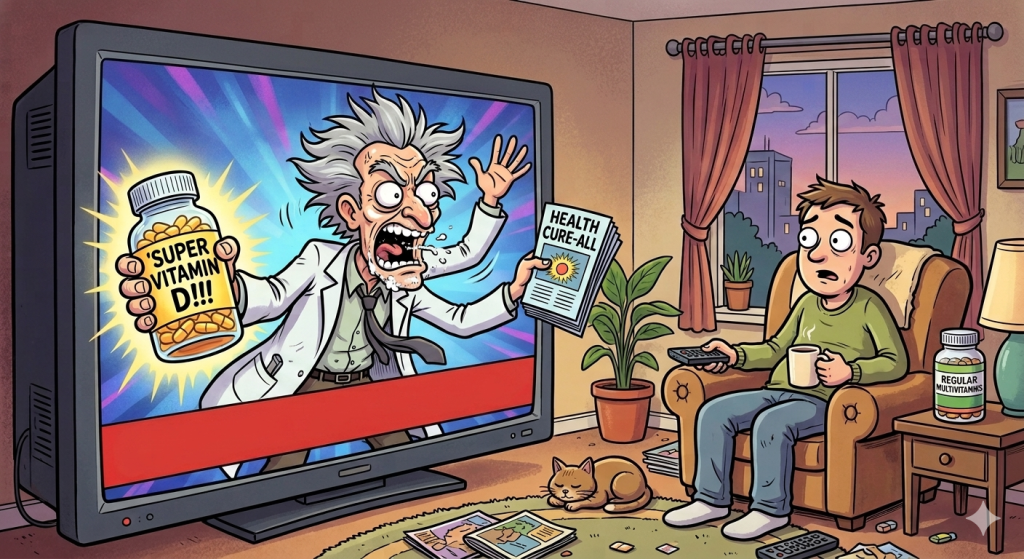
For years, millions of older adults have reached for over-the-counter glucosamine supplements to ease knee and hip stiffness. Because it is widely available without a prescription, it is easy to assume that it carries zero risk.

However, a groundbreaking new medical study has turned that assumption upside down, revealing a hidden risk to brain health. This critical update reminds us that even long-trusted supplements can hold unexpected dangers.


The New Clinical Data on Glucosamine

The recent warning stems from a landmark study published by University of Florida Health researchers in the journal Nature Metabolism. By utilizing advanced artificial intelligence to analyze 12 years of electronic health records across more than 60,000 patients, researchers uncovered a deeply concerning link between glucosamine and accelerated cognitive decline.

The study revealed two major findings for vulnerable populations:

  • Accelerated Alzheimer’s Risk: Patients already experiencing Mild Cognitive Impairment (MCI) who regularly took glucosamine faced a 25% higher risk of progressing to full-blown Alzheimer’s disease.
  • Increased Dementia Mortality: For individuals already diagnosed with dementia, regular glucosamine use was associated with a 25% higher mortality risk within five years.

Why Does a Joint Pill Affect Your Memory?

To understand why a supplement meant for your knees can impact your brain, we have to look at the biology.

Glucosamine is an amino sugar. When you swallow it, it travels through your bloodstream and easily crosses the blood-brain barrier. In a perfectly healthy brain, this does not appear to cause issues.

However, in an aging brain that is already showing early signs of cognitive fragility, glucosamine acts like fuel on a hidden fire. It triggers a hyperactive process called hyperglycosylation—essentially placing abnormal “sugar tags” on critical brain proteins. This abnormal tagging causes the proteins to malfunction, accelerating neurodegeneration and worsening memory loss.


The Demographics Dilemma

This discovery presents a unique challenge for our community. The demographic of adults over the age of 65 is the exact population most likely to take glucosamine for osteoarthritis and joint health. Coincidentally, this is also the exact population at the highest statistical risk for developing early-stage cognitive changes.

What makes this a critical cautionary tale is that many patients take glucosamine “just in case,” despite years of clinical clinical trials showing that its actual ability to rebuild joint cartilage or provide significant pain relief is historically weak and inconclusive. In medical terms, the potential risk of this supplement may now heavily outweigh its proven rewards.


Actionable Advice for Our Patients

If you or a loved one are currently taking a glucosamine supplement, there is no need to panic. The study specifically noted that the accelerated decline occurred in brains already experiencing early cognitive changes, rather than healthy, younger brains.

However, this news is an important reminder to review what we put into our bodies. We advise taking the following steps:

  1. Evaluate the True Benefit: Ask yourself honestly if the supplement is actually reducing your joint pain. If you aren’t sure, or if you are taking it purely as a preventive measure, it may be time to stop.
  2. Consider Safer Alternatives: If you need joint relief, guide your focus toward lifestyle modifications like low-impact exercise and physical therapy, or discuss alternative anti-inflammatory options with us that do not cross the blood-brain barrier.
  3. Bring Your Bottle to Your Next Visit: Bring your complete list of vitamins and supplements to your next appointment at East County Internal Medicine.

Our goal is always to treat the whole person. We want to ensure that the choices you make to protect your joints today do not inadvertently compromise your cognitive health and memory tomorrow.


Have questions about your current supplement regimen? Schedule an appointment with us at eastcountyim.com to review your medications and build a safe, effective plan for healthy aging.


Like the blog? Sign up for the Newsletter!

Dr. Kunwar image
Dr. Kunwar

About the Author

Dr. Kunwar is an independent primary care physician practicing in Lakewood Ranch area since 2017. He trains medical students and residents and has a background in regulating Fraud, Waste and Abuse.

The End of the Scalpel: Why GLP-1s Have Made Bariatric Surgery Obsolete


For decades, the medical community accepted a grim compromise in the treatment of severe obesity. To save a patient from the long-term ravages of metabolic syndrome, cardiovascular disease, and type 2 diabetes, we had to subject them to the acute, life-altering risks of major abdominal surgery. As a physician, I have watched this landscape closely, and the conclusion is now inescapable: the era of bariatric surgery is over.

With the unprecedented success, high efficacy, and vastly superior safety profile of modern GLP-1 and GIP/GLP-1 receptor agonists, weight loss surgery has become a costly, dangerous, and obsolete relic of the past.

The Illusion of a Permanent Fix: Complications and Recidivism

Proponents of bariatric surgery have long argued that altering a patient’s anatomy provides a permanent solution. The clinical reality, as detailed in extensive medical literature and databases like UpToDate, tells a much darker story of early morbidity, late-stage complications, and high rates of failure:

  • Acute Surgical Dangers: Unlike non-invasive pharmacotherapy, bariatric procedures carry immediate, life-threatening perioperative risks. Anastomotic leaks, staple-line failures, internal hemorrhaging, deep vein thrombosis (DVT), and pulmonary embolisms are inherent to the operating room.
  • Lifelong Post-Operative Chronic Illness: Surgery does not cure metabolic disease without introducing new, chronic pathologies. Patients are frequently left to manage permanent anatomical damage resulting in severe dumping syndrome, marginal ulcers, chronic bowel obstructions, and strictures.
  • Severe Malabsorption: By destroying or bypassing the natural gastrointestinal tract, surgery forces patients into a lifelong battle with profound nutritional deficiencies, requiring aggressive supplementation of vitamin B12, iron, calcium, and vitamin D just to avoid neurological and bone damage.
  • The Myth of Permanent Weight Loss: Despite undergoing irreversible anatomical mutilation, a staggering number of patients suffer from weight recidivism. Over a 5-to-10-year timeline, metabolic adaptation and pouch stretching cause patients to regain the weight they sacrificed their anatomy to lose. Resolving this typically requires highly complex, even more dangerous revision surgeries.

The GLP-1 Revolution: Superior Safety and Complete Autonomy

The rise of targeted medical weight management has completely shifted the risk-benefit analysis. GLP-1 medications allow us to achieve profound, systemic metabolic resets without a single incision.

  • A Gradual, Manageable Safety Profile: The side effects of GLP-1s are primarily gastrointestinal (nausea, delayed gastric emptying) and are highly manageable through clinical titration. They carry virtually zero risk of sudden post-operative mortality or structural tissue failure.
  • Preservation of Anatomy and Autonomy: Medical management leaves the patient’s digestive system completely intact. If a patient plateaus or experiences intolerance, the medication can be safely discontinued or switched to next-generation multi-agonists. There is no permanent, irreversible damage.

The Policy Imperative: Defunding Medicare for Weight Loss Surgery

Because we now possess a non-invasive pharmaceutical alternative that matches or exceeds the metabolic benefits of the operating room without the catastrophic downside, healthcare policy must evolve.

It is time for the Centers for Medicare & Medicaid Services (CMS) to re-evaluate National Coverage Determination 100.1. Taxpayer dollars through Medicare should no longer subsidize dangerous, irreversible, and highly volatile surgical procedures when a vastly safer, highly effective medical alternative exists. Medicare funding must shift away from the scalpel and entirely toward expanding access to long-term GLP-1 therapies, optimizing patient safety, and reducing the immense financial burden of post-surgical complication management on our healthcare system.

A New Standard of Care at East County Interventional Medicine

At East County Interventional Medicine, our commitment is to the oath of first, do no harm. We believe that subjecting patients to the structural trauma and long-term failures of bariatric surgery is no longer medically justifiable. The future of metabolic health is medical, non-invasive, and patient-controlled. We are proud to lead the transition into this safer, evidence-based era of obesity medicine. [1]


Like the blog? Sign up for the Newsletter!

Dr. Kunwar image
Dr. Kunwar

About the Author

Dr. Kunwar is an independent primary care physician practicing in Lakewood Ranch area since 2017. He trains medical students and residents and has a background in regulating Fraud, Waste and Abuse.

🚰 The Florida Fluoride Update: What Our Patients Need to Know

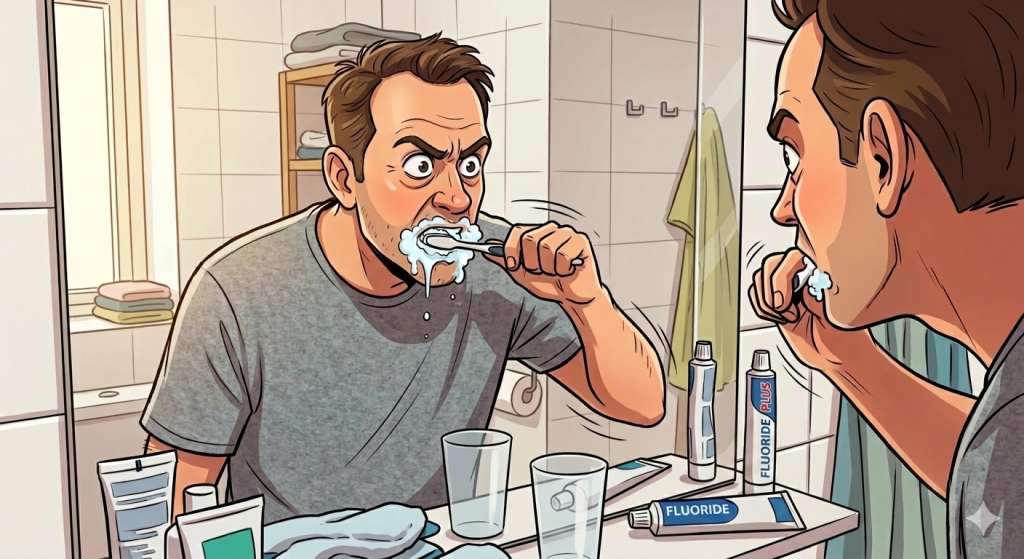
patient brushing his teeth because he knows, cause Dr. Kunwar showed him.

You may have seen the headlines recently about a major shift in Florida’s public health policy. As of late 2025, Florida became the second state in the country to effectively phase out community water fluoridation.

This decision has sparked a high-profile “face-off” between state officials and national public health agencies like the Centers for Disease Control and Prevention (CDC).

As your trusted dental care team, we want to look past the political noise, explain exactly what is happening, and—most importantly—help you protect your family’s smiles.

🔍 What Happened to Florida’s Water?

Through the passage of the Florida Farm Bill, the state prohibited local water utilities from introducing additives that aren’t strictly required to meet basic drinking water safety standards.

Because fluoride is added to prevent cavities rather than to purify the water itself, utilities across the state—including right here in our local communities—have had to shut down their fluoridation systems.

⚔️ The Face-Off: Florida vs. The CDC

The debate centers on two completely different views of public health:

  • The State of Florida’s Position: Backed by State Surgeon General Dr. Joseph Ladapo, state officials advocated for the change by labeling mass fluoridation as “forced medication.” They pointed to select studies suggesting potential health risks from high levels of fluoride exposure, arguing that individuals should choose their own vitamins and minerals.
  • The CDC & Dental Community’s Position: The CDC, the American Dental Association (ADA), and our team view community fluoridation as one of the top public health achievements of the 20th century. Decades of data show that keeping a low, safe level of fluoride in tap water reduces tooth decay by roughly 25%. Experts note that the risks cited by the state involved fluoride concentrations far higher than what Americans ever receive from a standard tap.

🦷 What This Means for Your Teeth

Fluoride acts like a shield for your teeth. Every day, minerals are lost from a tooth’s enamel layer when acids from food and bacteria attack it. Fluoride promotes “remineralization,” putting those vital minerals back and making the tooth surface more resistant to future acid attacks.

Without fluoride in our local tap water, the natural shield is weakened. This means both children and adults in Florida are now at a higher risk for developing cavities.

🛡️ 4 Ways to Protect Your Smile Today

You do not need to panic, but you do need to be proactive. Because you can no longer rely on your tap water for automatic protection, we recommend taking these steps:

  1. Switch to Fluoride Toothpaste: Ensure every member of your family is brushing twice a day with a toothpaste containing fluoride.
  2. Incorporate an Anti-Cavity Mouthwash: An over-the-counter fluoride rinse adds an extra layer of defense after brushing, especially for children prone to cavities.
  3. Ask Us About In-Office Varnish: During your routine cleanings, we can apply a professional-strength fluoride varnish directly to your teeth. It takes seconds and provides months of targeted protection.
  4. Consider Supplements if Necessary: For young children whose permanent teeth are still forming under the gums, dietary fluoride drops or tablets can be prescribed if they are not getting it from other sources.

👋 We Are Here to Help!

Public health policies may change, but our commitment to your family’s health never will. If you are concerned about how these water changes will affect your dental health, let’s talk about it at your next visit. We can evaluate your specific cavity risk and build a personalized protection plan just for you.


Like the blog? Sign up for the Newsletter!

Dr. Kunwar image
Dr. Kunwar

About the Author

Dr. Kunwar is an independent primary care physician practicing in Lakewood Ranch area since 2017. He trains medical students and residents and has a background in regulating Fraud, Waste and Abuse.